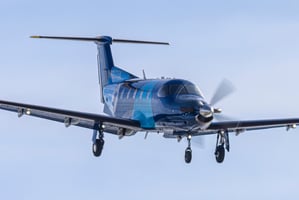
Flying the Pilatus PC-12 as a Contract Pilot: Why This Turboprop Remains One of Business Aviation’s...
CJ4 Contract Pilot Guide, Pay, Performance, and What to Expect from the Textron Aviation Citation CJ4
The Cessna Citation CJ4, built by Textron Aviation, sits at the top of the light jet category and has become one of the most in-demand aircraft for contract pilots in the United States and globally. For operators, it offers transcontinental capability in a smaller, efficient footprint. For contract pilots, it represents a strong balance of performance, modern avionics, and consistent work opportunities. If you are current on the CJ4 or considering adding it to your qualifications, understanding the aircraft’s features, limitations, and current market pay is essential.
Contract pilot demand for the CJ4 continues to grow across key aviation hubs like New York City, Miami, Dallas, Los Angeles, and Chicago, where Part 135 charter activity remains high. This demand, combined with a relatively limited pool of current, experienced pilots, has helped stabilize daily rates and create steady opportunities for contractors.
CJ4 contract pilot daily rate and market positioning
As of today, the standard contract pilot daily rate for the CJ4 is $1,800 per day, aligning with the industry average and reflected on CrewBlast’s daily rate benchmarks. This rate typically applies to captains who are current within the last 12 months and meet insurance requirements for Part 135 operations.
In real-world contracting scenarios, daily rates may increase based on urgency, geographic positioning, or high-demand events. For example, last-minute AOG coverage or peak travel periods can push rates higher, especially when operators need immediate availability in specific regions.
Contract pilots working consistently on the CJ4 often benefit from repeat operator relationships, positioning advantages, and platform-based sourcing tools that streamline trip assignments. The key is maintaining currency, responsiveness, and flexibility with travel.
Performance and operational strengths of the CJ4
The CJ4 is widely respected for its performance capabilities, which place it ahead of many aircraft in the light jet category. Powered by Williams FJ44-4A engines, the aircraft delivers strong climb performance, efficient cruise speeds, and a range that opens up longer mission profiles.
With a maximum cruise speed of approximately 451 knots and a range of roughly 2,100 nautical miles, the CJ4 can comfortably handle coast-to-coast missions with favorable conditions. This makes it a preferred aircraft for operators looking to avoid mid-size jet costs while still maintaining similar mission flexibility.
One of the most appreciated features among contract pilots is the Garmin G3000 avionics suite. The cockpit is clean, intuitive, and highly automated, reducing workload and improving situational awareness. For pilots transitioning from older Citation models, the G3000 represents a significant upgrade in both usability and safety.
Short runway performance is another advantage. The CJ4 can operate out of smaller regional airports, allowing operators to access a wider range of destinations and increasing trip diversity for contract pilots. This directly translates into more opportunities across different geographic markets.
Cabin experience and client expectations
While contract pilots are primarily focused on flight operations, understanding the passenger experience is critical. The CJ4 offers a comfortable cabin for up to eight passengers, with a flat floor, club seating, and a belted lavatory.
Passengers often compare the CJ4 favorably against other light jets due to its quieter cabin and smoother ride. For contract pilots, this means managing expectations around service flow, flight time, and turbulence communication, especially on longer legs.
Clients flying between cities like Teterboro and West Palm Beach or Van Nuys to Aspen expect a seamless experience, and the CJ4 is well-positioned to deliver that when operated efficiently.
Limitations contract pilots should be aware of
7
Despite its strengths, the CJ4 does come with limitations that contract pilots must manage carefully.
Cabin size, while comfortable for a light jet, is still smaller than mid-size and super mid-size aircraft. This can become a factor on longer flights, particularly with full passenger loads and baggage constraints. Pilots often need to coordinate closely with operators and passengers regarding weight and balance.
Baggage capacity is another consideration. While adequate for most missions, it can be restrictive for ski trips, golf outings, or extended travel. Understanding these constraints upfront helps avoid operational challenges.
From a performance standpoint, high, hot, and heavy conditions can impact climb rates and runway requirements. While the CJ4 performs well overall, contract pilots must remain diligent with performance calculations, especially in mountainous regions like Aspen or Telluride.
Additionally, insurance minimums for CJ4 captains can be strict. Many operators require significant total time, turbine experience, and time in type. Staying current and maintaining a strong flight history is essential for securing consistent contract work.
Why CJ4 contract pilots remain in high demand
The combination of efficiency, range, and modern avionics has made the CJ4 a staple in many Part 135 fleets. As charter demand continues to rise, operators rely heavily on contract pilots to fill scheduling gaps, cover maintenance downtime, and respond to last-minute trips.
For contract pilots, this creates a strong opportunity to build a steady workflow, particularly when leveraging technology platforms that connect operators with available crew in real time. Positioning, availability, and responsiveness often matter just as much as experience.
Pilots who actively manage their schedules, maintain currency, and respond quickly to trip requests tend to see the most consistent utilization. The CJ4, in particular, rewards pilots who can operate efficiently in a variety of environments, from busy metro airports to smaller regional fields.
Flying the CJ4 as a contract pilot offers a compelling mix of strong daily rates, modern technology, and diverse mission profiles. At $1,800 per day, the aircraft sits in a favorable position within the light jet category, offering both earning potential and consistent demand.
Understanding the aircraft’s strengths and limitations allows contract pilots to operate more effectively, deliver a better experience for operators and passengers, and ultimately secure more repeat work. As the market continues to evolve, the CJ4 remains one of the most reliable and in-demand platforms for contract aviation professionals.