Finding qualified aviation professionals shouldn’t begin and end with posting a job.
The Best Aviation Crew Management Software for Business Aviation Flight Departments in 2026
If you manage a business aviation flight department in 2026, you already know that crew management has outgrown spreadsheets and group texts. The pilot shortage has tightened the market. Insurance underwriters are asking harder questions about crew vetting documentation. And the pace at which operators are expected to respond to crew emergencies has shrunk from days to minutes.
The right crew management software is no longer optional infrastructure. It is the difference between a flight department that handles crew challenges systematically and one that scrambles through them each time. This guide covers what to look for in aviation crew management software in 2026, which platforms serve which types of operations, and where CrewBlast OS fits within the current landscape of options.
What Aviation Crew Management Software Actually Needs to Do
Before evaluating specific platforms, it helps to be clear about what this category of software actually does. Aviation crew management software is not the same as general HR software, general scheduling software, or aviation operations management software. It occupies a specific position at the intersection of three functions: sourcing crew when needed, managing the crew relationships you already have, and maintaining the documentation that regulatory and insurance requirements demand.
The best crew management software in 2026 handles all three functions cohesively. It gives flight departments proactive access to a verified crew network for sourcing needs, structured tools for managing preferred crew relationships, and systematic recordkeeping for compliance documentation. Platforms that cover only one of these functions leave gaps that operators end up filling with the same spreadsheets and email threads the software was supposed to replace.
Key Evaluation Criteria for 2026
1. Real-Time Crew Sourcing Capability
The traditional model of crew sourcing; the coordinator making sequential phone calls, is fundamentally incapable of matching the speed that modern operations require. When a captain calls in ill two hours before departure, a coordinator-based process may not produce a qualified replacement in time. Real-time platforms that broadcast simultaneously to a verified crew network can produce first responses in seconds rather than hours.
When evaluating software, ask specifically about the average response time to a crew request. Platforms with mature networks can return first responses in under a minute. Platforms without established networks may produce no response at all for time-sensitive requests.
2. Verified Crew Network Size and Quality
A crew management platform is only as useful as the crew network it provides access to. A platform with a small or unverified network provides limited value, regardless of how sophisticated its features are. Ask about the size of the verified crew pool, the specific verification steps completed for each crew member, and the geographic distribution of available crew.
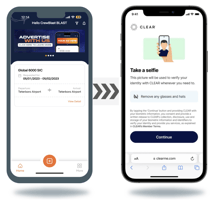
Biometric identity verification through services like CLEAR is emerging as a standard for premium crew platforms in 2026. This closes an identity gap that traditional background checks cannot address, confirming not just that a record is clean, but that the person presenting the credentials is actually who they claim to be.
3. Preferred Contractor Management
Serious flight departments do not want to work with random contractors on every trip. They want to build ongoing relationships with a preferred crew roster who know their aircraft, their principals, and their operational standards. Crew management software should support the preferred contractor workflow: importing your existing preferred crew, tracking their availability and qualifications, and sending targeted requests to them before opening the search to a broader network.
4. Full-Time Staffing Capability
Beyond contract crew, the strongest platforms also support full-time hiring. A flight department that finds a contract pilot it wants to hire permanently should be able to convert that relationship through the same platform. Similarly, when a full-time position opens, the platform should be able to distribute the opportunity to qualified candidates across the network.
5. Predictable Pricing Structure
Traditional aviation staffing agencies charge placement fees for each hire and often mark up contractor daily rates by a percentage. These variable costs can accumulate significantly over a year of active crew sourcing. Subscription-based platforms with flat monthly pricing and no per-placement fees provide meaningfully more predictable operating costs for flight departments that source crew regularly.
Where CrewBlast OS Fits in the Landscape
CrewBlast OS is crew continuity infrastructure specifically built for business aviation flight departments. It combines all five of the criteria above into a single subscription-based platform at $699 per month, month-to-month, with no long-term commitment and no per-placement fees.
CrewBlast OS gives flight departments direct access to CrewBlast's crew network of over 15,000 verified pilots and flight attendants. Every crew member has completed CertiFly verification, which combines CLEAR biometric identity confirmation with credential and qualification review. Operator requests reach every qualified, available crew member simultaneously through the CrewBlast app, producing average responses in 39 seconds.
Beyond real-time sourcing, CrewBlast OS provides tools for managing preferred contractor relationships: importing your existing preferred crew, tracking their availability, and sending them priority notifications before opening requests to the broader network. It also supports full-time staffing, allowing flight departments to distribute full-time opportunities to qualified candidates across the network through the same platform.
The subscription pricing model is meaningfully different from traditional aviation staffing agencies. There are no placement fees for contract or full-time hires secured through the platform. There is no markup on contractor daily rates. The compensation arrangement remains directly between the operator and the crew member. For flight departments that source contract crew regularly, the predictable monthly cost can produce significant savings compared with placement-fee models.
What CrewBlast OS Is Best For
CrewBlast OS is best suited for corporate flight departments, Part 135 charter operators, and aircraft management companies that need ongoing access to a verified crew network combined with structured tools for managing their preferred contractor relationships. It is particularly effective for operations that source crew even just one time per month, where the subscription cost can be quickly justified by the elimination of placement fees and the reduction in coordinator time.
Operators who want to evaluate whether CrewBlast OS fits their operation can review the full platform features and pricing on the CrewBlast OS product page. For a single crew request without a subscription, the CrewBlast request page allows any operator to submit a request and access the network on a per-request basis. For current market rates on contract pilots and flight attendants across business aviation aircraft types, the daily rate page provides regularly updated benchmarks.
The 2026 Reality
The flight departments that will operate most efficiently in 2026 and beyond are those that have moved past reactive crew sourcing entirely. They have identified their preferred crew during normal operations, built the infrastructure to reach them and the broader network instantly when needed, and eliminated the fragmented tools that previously complicated their crew management workflow. Aviation crew management software is the category that makes this shift possible. Choosing the right platform for your specific operation is the first practical step.